


Our Team’s Take on Wellness Home Design
A Philosophy on Wellness Home Design
At the start of 2026, our team predicted that wellness-centered home design would be a 2026 trend. More than just a trend, we viewed it as a movement focused on functional, well-rounded health and the accessibility to achieve that in your own home.
Wellness home design should be purposeful, not performative. This means prioritizing the aspects of overall wellness on which you and your family want to focus, and implementing them in your custom home in intentional, realistic ways. Want to focus on flexibility and mindfulness? A first floor yoga studio with plenty of natural light might be the right call. Need more time to slow down before busy work days? A gorgeous indoor-outdoor reading room could help you look forward to slow mornings. Want a space for the whole family to be able to get some movement in during the colder months? An in-home basketball court with storage for fitness equipment might be the perfect fit.
There isn’t a one-size-fits-all approach to successful wellness home design. When our team begins the design-build process, we’ll take the time to sit down with you and learn about your lifestyle, habits, routines, and desires. Because wellness is truly holistic, every aspect of your life becomes an important piece of the puzzle.
Wellness-centered design can take many forms. Some of the elements we consider include the following.
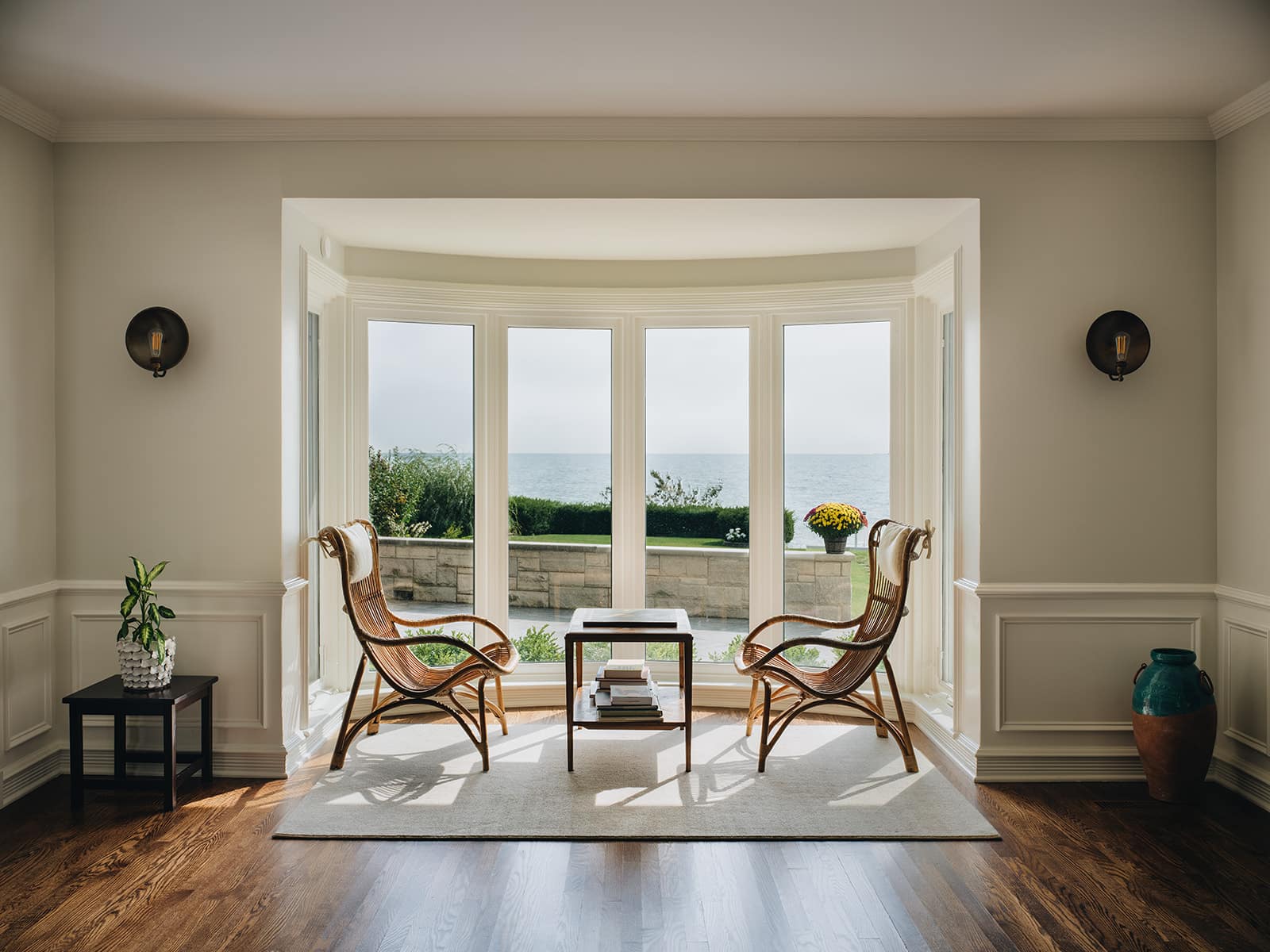
Designing for Natural Light & Connection to the Outdoors
The sun affects us greatly as humans; we know that it benefits our mental health, regulates our circadian rhythm, and supports our overall sense of wellbeing. Thoughtful home design centered around wellness maximizes sunshine and natural light while creating meaningful connections to the outdoors. The orientation of a home informs how each room is positioned, allowing spaces where homeowners spend the most time, such as kitchens, living rooms, and bedrooms, to take advantage of natural light and desirable views throughout the day. Indoor-outdoor spaces encourage homeowners to take advantage of every season, and enjoy the fresh air and natural surroundings while creating opportunities to relax, recharge, and reconnect with nature.
Taking it a step further, the home can incorporate wellness technology such as automated recessed lighting systems that match LED color temperatures to natural circadian rhythms throughout the day, air scrubbers that optimize indoor air quality, plywood/MDF cabinets with no added formaldehyde (NAF) and low-VOC paint for extra peace of mind.
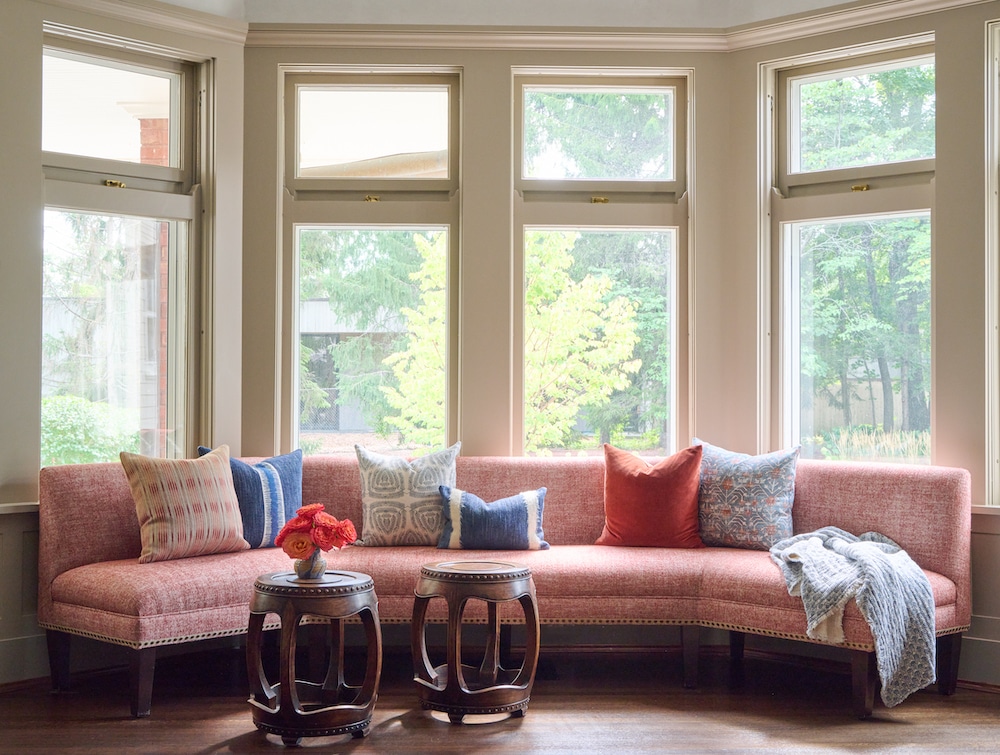
Creating Spaces That Encourage Rest
The spaces around us can have a subtle but significant impact on the pace of our day. A carefully designed home can create natural transitions between moments of activity and moments of rest, giving us places to slow down, pause, and recharge. From a quiet, peaceful bedroom tucked away from the home’s main gathering spaces to spa-like amenities such as a sauna and steam shower to a cozy window seat that invites you to linger with a book or a cup of coffee, the spaces we prioritize greatly shape our daily lives. Wellness home design considers not just how a space looks or functions, but how it makes us feel, how it is designed to flow with the rest of the home and how it shapes the rhythms of our everyday lives.

Movement & Active Living at Home
Today, more and more homeowners desire spaces that allow them to enjoy movement in their own homes. Aside from being ultra convenient, having dedicated spaces for movement makes it easier to incorporate physical activity into the rhythm of everyday life. Whether it’s a home gym designed to make a consistent weightlifting routine more convenient, a yoga studio and sauna created for early-morning flow sessions, or a sports court that makes it easier to get the whole family involved, these spaces remove barriers to movement and make wellness feel like a natural part of the day rather than another item on the to-do list.
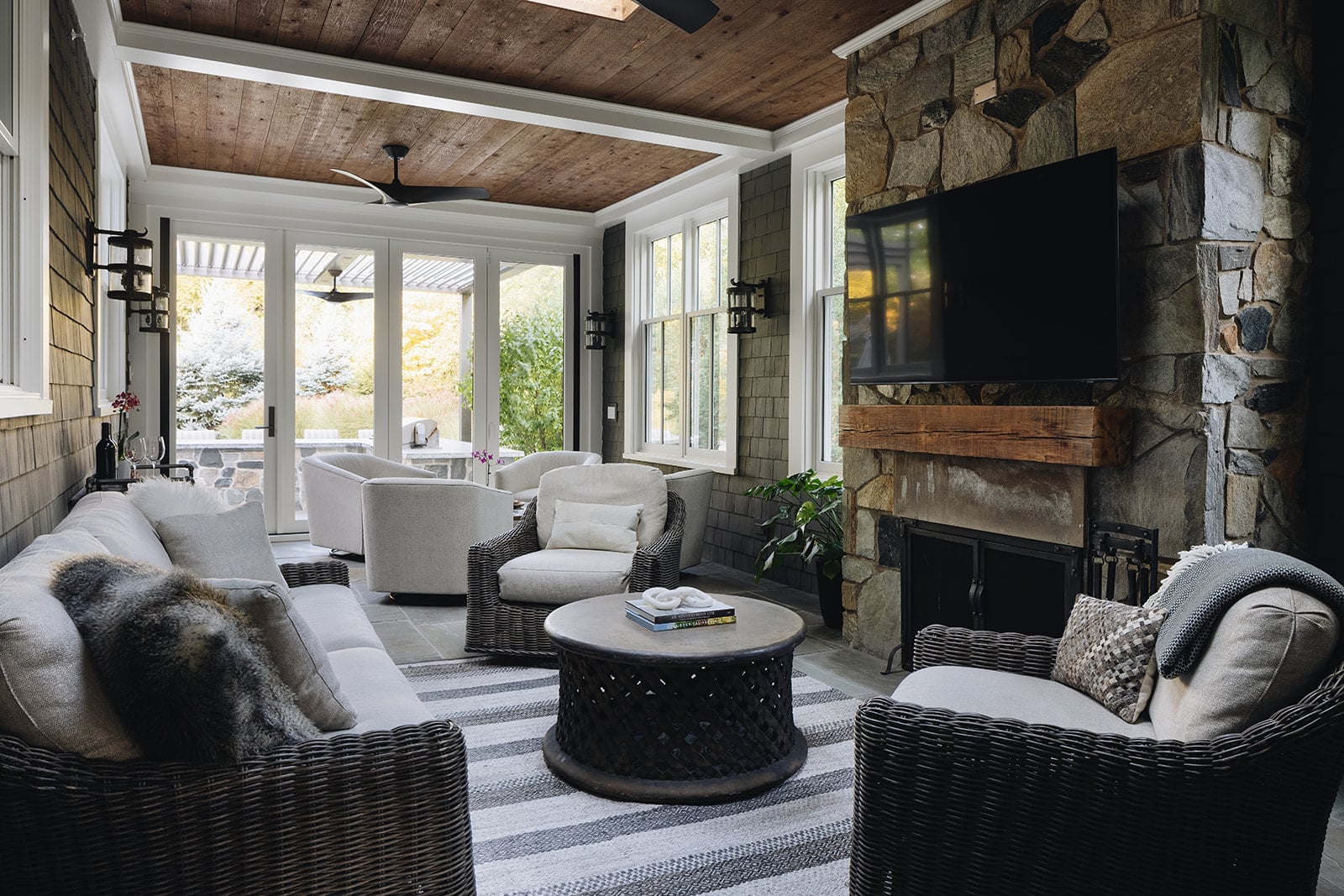
Designing for Social Connection
Wellness at home isn’t only about how we care for ourselves physically, it also centers around the relationships we nurture. Our homes can play an important role in creating opportunities for connection, conversation, and shared experiences. Open, welcoming kitchens and living spaces can encourage family members and guests to naturally gather, while outdoor living areas extend that connection beyond the walls of the home. At the same time, wellness home design should balance communal spaces with areas for privacy and retreat, recognizing that wellness comes from the freedom to both spend time together and have quiet moments alone.
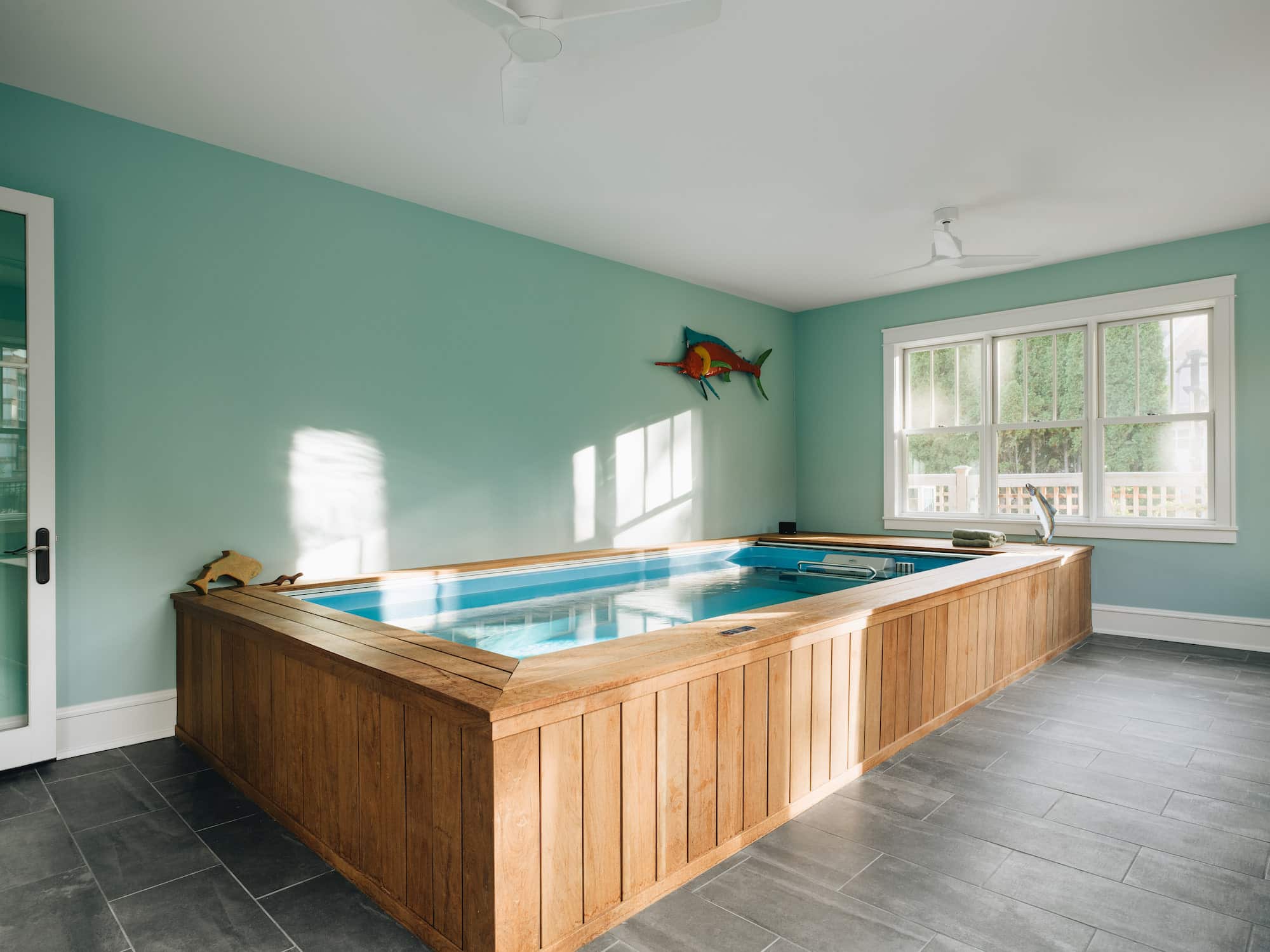
Designing for Longevity & Changing Needs
Our routines, priorities, and needs naturally evolve over time, and a well-planned home should have the flexibility to evolve with them. Designing with aging in place in mind, regardless of your current age, allows homeowners to incorporate intentional features from the beginning, creating a home that can adapt to changing mobility and accessibility needs without sacrificing comfort or design. First-floor living options, wider doorways and hallways, elevators, garage ramps, curbless showers, and other solutions can make a home easier and more comfortable for aging parents or your own needs as time passes.
These considerations can be seamlessly integrated into the architecture so they feel natural from day one. When accessibility and longevity are part of the conversation early in the design process, homeowners can create a beautiful, functional home that gives them the freedom to remain in a place they love for years to come.
As a team, we believe in incorporating wellness home design into every home we create, because we’re passionate about not only how a home looks, but how it supports the quality of life of the people who live there. We love working with our clients to understand their individual wellness goals and find forward-thinking, realistic ways to bring them into the design of their home. If you’d like to explore what that could look like for your home, let us know!